Freshwater Species Guide
Goldeye
Hiodon alosoides · Hiodontidae
At a Glance
Ideal Temp
58–72°F
Typical Weight
0.5–1.5 lbs
Record Weight
3 lbs 8 oz
Average Length
10–16 inches
Lifespan
8–15 years
Peak Activity
Evening
Skill Level
Beginner
Overview
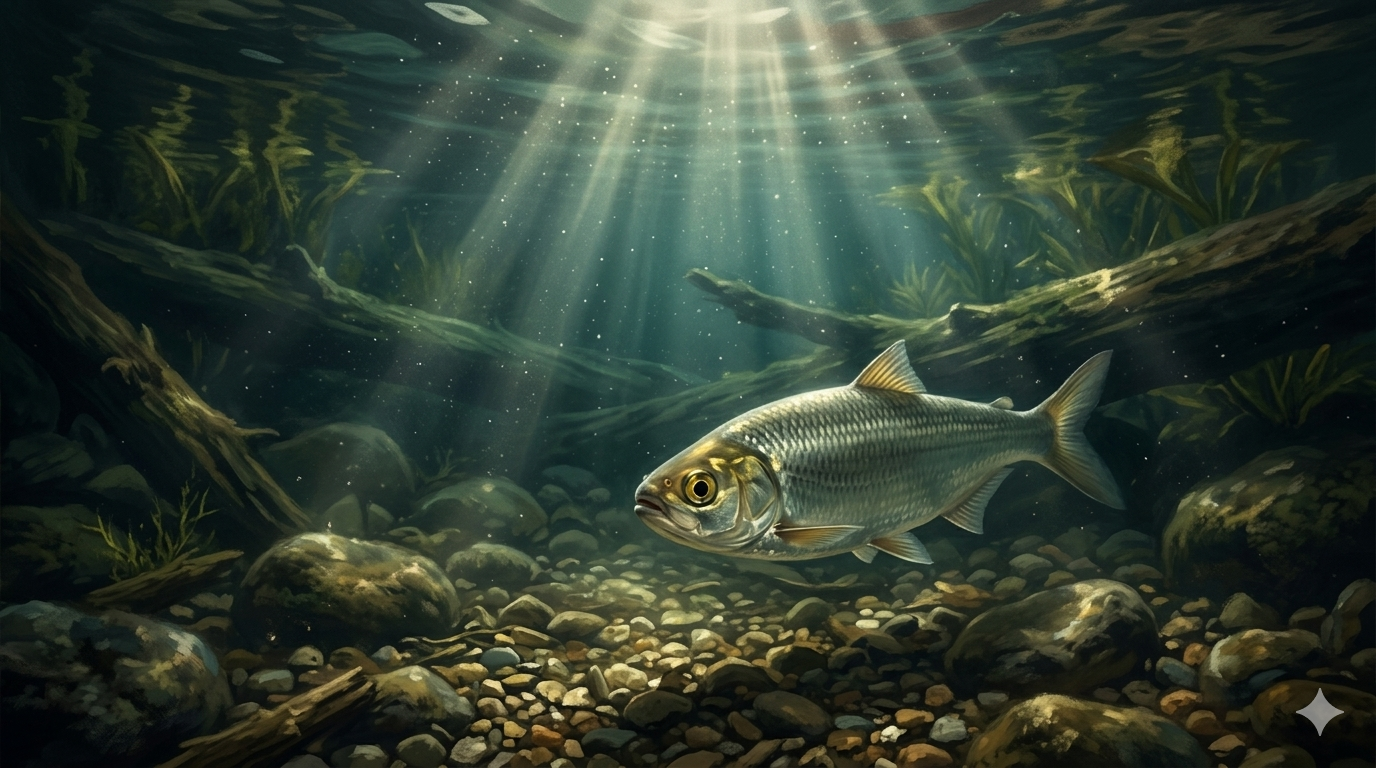
A Canadian prairie classic that most American anglers have never heard of. Goldeye are silvery, herring-like fish found in the large rivers and lakes of the northern Great Plains and Canadian prairies. They're famous not for their fighting ability but for their table quality — "Winnipeg goldeye" smoked fish is considered a regional delicacy, and the tradition of smoking goldeye dates back over a century. On light tackle, they're willing biters that provide consistent evening action.
Habitat
Large, turbid rivers and reservoirs across the Canadian prairies and northern Great Plains. The Red River, Saskatchewan River, and Lake Winnipeg are the epicenters. Goldeye prefer silty, slow-moving water and are tolerant of turbidity that would drive most gamefish away. They suspend at mid-depth and often feed near the surface at dusk.
Feeding Behavior
Surface and mid-water feeders that eat insects, small crustaceans, and small fish. Goldeye have excellent low-light vision (hence the golden eyes) and feed most actively at dusk and into the evening. Small flies, spinners, and jigs fished near the surface during the evening rise produce the most consistent action.
Spawning
Spawn in spring when water reaches 50–55°F. Broadcast spawners in river current over gravel and sand. No nest building or parental care. Spawning runs in tributaries can concentrate fish in catchable numbers.
Seasonal Patterns
Spring
Spawning run and post-spawn feeding. Active in warming water. Concentrated in tributaries.
Summer
Peak season. Evening surface feeding on insects. Best action at dusk.
Fall
Active feeding before winter. Slightly deeper as water cools.
Winter
Deep and slow. Occasionally caught through ice on small jigs.
Top Lures for Goldeye
Best Techniques
Pro Tips
Fish the evening rise. Goldeye feed most actively at dusk — the last hour before dark is the prime window. Small flies and spinners near the surface produce best.
Smoking goldeye is a Canadian tradition. Oak-smoked goldeye (the famous "Winnipeg goldeye") is considered a delicacy. If you harvest some, try a simple brine and cold smoke.
Light tackle makes goldeye fun — 2–4 lb test on an ultralight rod or a 3–4 weight fly rod. They're not huge but they're cooperative and consistent.
Did You Know
Smoked goldeye is such a beloved delicacy in Manitoba that it has been served at Canadian state dinners and was historically shipped by rail from Winnipeg to restaurants across North America. The traditional smoking process uses willow or oak wood and dates back to Indigenous practices.
Regulations Note
Few regulations in most jurisdictions. Famous as "Winnipeg goldeye" smoked fish.
Plan Your Next Trip
Get Your Goldeye Strike Plan
Enter your location and date — the Darkhorse Strike Plan pulls live weather, barometric pressure, and solunar data to give you exact lures and techniques for today.